
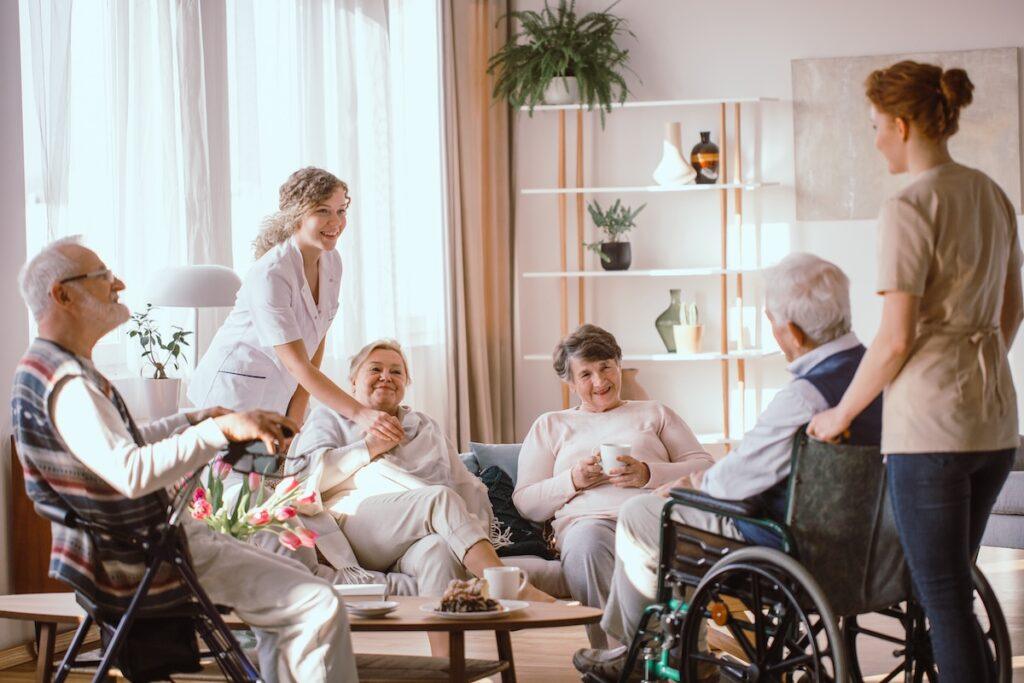
Relocating to an assisted living community or a new care environment represents one of the most significant transitions in an older adult’s life. While the change can be daunting, the intentional implementation of small, shared rituals serves as a vital bridge between the past and the future. These consistent actions provide a sense of continuity that helps individuals maintain their identity while fostering new social bonds within their community.
The Foundation of Belonging through Routine
Adjusting to a new living situation involves more than just physical relocation. It requires an emotional recalibration to a different social landscape. Shared rituals act as the social glue that accelerates this process. Whether it is a daily morning greeting or a weekly gardening circle, these predictable moments create a rhythm that lowers anxiety. When residents know what to expect and who they will see, the unfamiliar environment begins to feel like home. This stability is crucial for emotional well-being, as it replaces the chaos of change with the comfort of community-driven structure.
The Anchored Identity Framework
The Anchored Identity Framework is a model designed to help seniors retain their sense of self during major life shifts. This framework focuses on three pillars: personal history, social contribution, and physical continuity. By integrating these pillars into daily life, caregivers can ensure that the individual does not feel lost in the institutional aspects of a care facility. Research suggests that maintaining these connections is a primary factor in psychological well-being in residential care environments. This model emphasizes that shared rituals should not just be activities, but rather meaningful expressions of who the residents are.
Building Connection Through Group Rituals
Group-based rituals, such as morning coffee gatherings or weekly social meetups, play a pivotal role in building connection and familiarity in senior living environments. These moments allow residents to interact in a low-pressure setting where they can share stories and find common ground. Providing coordinated items like unique customizable mug options for participants can create a sense of unity and give individuals something personal to use and keep. Ordering these items in bulk for these settings helps reinforce a daily routine, sparks conversation among peers, and creates a warm, welcoming atmosphere that makes the common room feel like a private living space.
Cognitive and Emotional Benefits of Consistency
The predictability of a routine does more than just fill time: it provides cognitive anchors for those experiencing memory shifts. Experts often highlight the role of routine in dementia care because it reduces the sundowning effect and lessens the cognitive load of making new decisions constantly. When the environment is predictable, the brain can rest. This cognitive ease allows seniors to focus more on the social aspects of their environment, leading to better outcomes in long-term adjustment and overall happiness within their new home.
Comparing Ritual Types and Their Impact
| Ritual Category | Example Activity | Primary Psychological Benefit |
| Cognitive | Morning News Discussion | Intellectual stimulation and reality orientation. |
| Physical | Group Stretching or Tai Chi | Body awareness and reduced physical isolation. |
| Social | Afternoon Tea or Game Night | Strengthening peer bonds and reducing loneliness. |
| Reflective | Evening Gratitude Circle | Emotional processing and closure for the day. |
How to Implement Intentional Rituals
Caregivers and family members can play a proactive role in setting these routines. Establishing these habits early can lead to significant health benefits of social connection later in the transition. Follow this checklist to ensure the rituals are effective and sustainable.
- Identify the resident’s lifelong hobbies to find a ritual that feels authentic.
- Start small with a daily five-minute check-in at the same time each day.
- Involve the resident in the planning process to maintain their sense of agency.
- Use physical cues, such as a specific table setting or music, to signal the start.
- Collaborate with staff to ensure the routine is respected by the facility schedule.
Strategies for Caregivers and Families
Families often feel a sense of guilt or helplessness during the transition period. However, their involvement is the most critical factor in the success of new rituals. By participating in the initial gatherings, family members can model social behavior and help break the ice with other residents. It is also wise to consider Adult Care Advisors as you figure out your new plan and rhythms. Professional guidance ensures that the transition plan is tailored to the specific medical and emotional needs of the older adult, especially when implementing strategies for transitioning to assisted living for the first time.
Creating Lasting Support Systems
Supporting a senior through a transition is an ongoing process rather than a one-time event. The community must intentionally create moments that support both comfort and engagement. Utilizing communal activities for cognitive health ensures that the transition into assisted living is viewed not as an end of independence, but as the beginning of a supported and socially rich new chapter. According to the latest senior living trends for 2026, biophilic design and restaurant-quality dining are also becoming rituals of their own, providing sensory comfort.
Frequently Asked Questions
How can I help a shy senior engage in community social rituals?
Introduce them to one or two neighbors in a quiet setting before suggesting they join a larger group event or communal meal.
What are the best times of day to establish new shared routines?
Mid-morning and late afternoon are generally best as energy levels are stable and these times provide a bridge between meals.
How do rituals help seniors with memory impairment or cognitive decline?
Repetition and sensory cues associated with rituals can tap into procedural memory, providing a sense of safety even when specific details are forgotten.
Can personal belongings from home be integrated into facility-wide rituals?
Yes, bringing a familiar item to a shared activity can act as a conversation starter and provide a tactile link to the resident’s personal history.
How long does it typically take for a new ritual to feel comfortable?
Most experts suggest that consistent daily participation for three to four weeks is necessary for a new routine to become a comforting habit.
Conclusion
Small, shared rituals are the heartbeat of a thriving senior living community. They transform a new environment from a collection of hallways and rooms into a place of belonging and purpose. By focusing on consistency, identity, and intentional social design, families and caregivers can ensure that older adults remain emotionally resilient and deeply connected during their later years.